 EN
EN
 AR
AR
 FR
FR
 DE
DE
 IT
IT
 JA
JA
 KO
KO
 NO
NO
 PT
PT
 RU
RU
 ES
ES
 ID
ID
 TH
TH
 TR
TR
 MN
MN
 NL
NL
 LA
LA
 EL
EL
 RO
RO
 SV
SV
 TL
TL
 HU
HU
 AF
AF
 MS
MS
 AZ
AZ

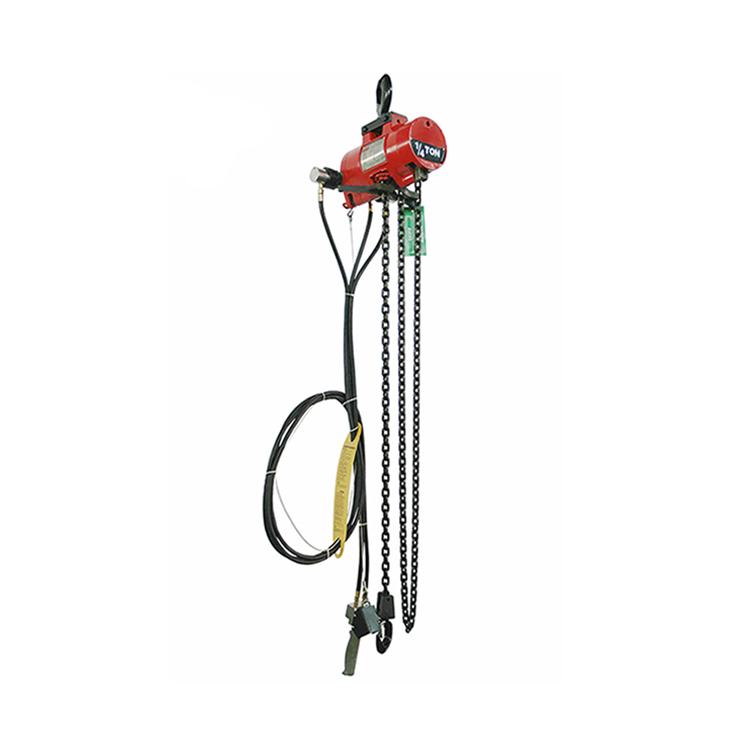
Air hoists are tools that lift heavy objects using compressed air. They are often used in places where safety is very important. In hazardous environments, like factories or construction sites, air hoists are safer than electric hoists. This is because air hoists do not create sparks or heat, which can be dangerous in areas with flammable materials. If there is an explosion risk, using air hoists can help keep workers safe. Hongxin makes high-quality air hoists that are perfect for these tough jobs.
What Makes Air Hoists Safer Than Electric Hoists in Explosive Settings?
Air hoists have several features that make them safer in explosive settings compared to electric hoists. First, air hoists do not use electricity, which means there is no risk of a spark. Sparks can ignite gases or dust that are common in many workplaces. For example, if a factory produces chemicals or has a lot of dust, an electric hoist could be very risky. On the other hand, air hoists run on compressed air. This means they can lift heavy objects without the danger of causing an explosion. Also, air hoist are often lighter than electric hoists, making them easier to handle. This can prevent accidents caused by lifting heavy items incorrectly.
Another reason air hoists are safer is that they are often easier to control. Many air hoists have simple controls that let workers lift and lower items smoothly. This helps avoid sudden drops that can cause injuries or damage. Electric hoists can sometimes malfunction, causing them to drop heavy loads unexpectedly. With Hongxin air hoists, workers can feel more confident and secure when they are lifting heavy materials.
Additionally, air hoists can work in wet or damp conditions without the same worries as electric hoists. Since they do not use electricity, there is less risk of electric shock in these environments. This is very important for workers who might be in situations where spills could occur. In many cases, air hoists can also function in extreme temperatures, which is not always true for electric hoists. This makes them versatile and valuable in many different settings, including those that are hazardous.
How to Choose the Right Air Hoist for Hazardous Applications
Choosing the right air hoist for hazardous applications is important for safety and efficiency. First, you need to think about the weight of the items you will be lifting. Hongxin offers various air hoist models that can lift different weights. Knowing the heaviest item you will lift is key to picking the right hoist. You should also consider the height you need to lift items. Some air hoists can lift higher than others, so it is important to match the hoist with your lifting needs.
Another factor is the environment where you will use the air hoist. If you are in a very dusty area, make sure to choose a hoist that is designed to work in such conditions. Some air hoists come with features that help keep dirt and dust out, which can help them last longer and work better.
Also, think about the speed of lifting and lowering. Some jobs require quick lifts, while others can be done slowly. If your work needs a fast lift, look for an air hoist that can operate quickly. However, if precision is more important, choose one that allows for careful control.
Finally, consider the maintenance of the air hoist. It’s good to choose a model that is easy to maintain. Regular maintenance will help keep the hoist safe and efficient over time. Hongxin’s air hoists are designed to be user-friendly, making maintenance easier for workers. By thinking about these factors, you can choose the right air hoist that will keep everyone safe and make lifting tasks easier.
Common Usage Issues with Electric Hoists in Hazardous Areas
Electric hoists are often used to lift heavy objects in many workplaces. However, they can cause problems in places that are dangerous or have risks. One big issue is that electric hoists need electricity to work. In areas where there are flammable materials or gases, using electricity can create sparks. These sparks can lead to explosions or fires, which can hurt workers and damage the workplace. It is also important to remember that electric hoists can overheat. If they are used for a long time, they can get too hot and fail. This can be dangerous, especially if a heavy load is hanging in the air. If an electric hoist fails, it can drop the load, causing injury to people below. Furthermore, electric hoists require regular maintenance, and if they are not checked properly, they may not work safely. In hazardous areas, this is a big risk. Electric hoists can also be affected by water or other liquids. If they get wet, they may short circuit, which is another reason why they are not the best choice for dangerous environments. In many cases, workers must wear safety gear when using electric hoists, which can slow them down. This can lead to accidents if they are not careful. Because of these issues, many companies are looking for safer options. Hongxin offers pneumatic air hoist as a better choice for lifting in hazardous areas.
What Are the Key Safety Features of Air Hoists in Risky Environments?
Air hoists are a safer option for lifting heavy objects, especially in risky environments. One of their best safety features is that they run on air, not electricity. Since they do not use electric power, they do not create sparks. This means there is a lower risk of fire or explosions in places where flammable materials are present. Additionally, air hoists are designed to work well even in tough conditions. They can handle dust, dirt, and moisture without getting damaged. This makes them perfect for places like factories or construction sites. They also have built-in safety features, such as overload protection. This means that if too much weight is added to the hoist, it will stop working before anything dangerous happens. This helps prevent accidents and injuries. Another great thing about air hoists is that they are easy to control. Many models have simple controls that allow workers to lift and lower loads smoothly. This reduces the chances of mistakes that can lead to accidents. Hongxin's air hoists are also lightweight and portable, making them easier to move and use in different places. Lastly, air hoists require less maintenance than electric hoists, which means they are less likely to fail when you need them most. All of these features make air hoists a smart and safe choice in risky environments.
How Air Hoists Minimize Risks in Confined Spaces
Working in confined spaces can be very dangerous. These areas are often small and hard to get into, which can make lifting heavy objects even riskier. Air hoists, like those made by Hongxin, are great for these situations. Since they do not need electricity, there is less chance of creating sparks, which is very important in tight spaces where flammable gases might be present. Moreover, air hoists are usually smaller and lighter than electric hoists, making them easier to handle in compact areas. This means workers can move them around without much effort, which helps avoid accidents. Another important feature of air hoists is their smooth lifting action. They lift loads gently and steadily, which is crucial in confined spaces where sudden movements can cause problems. Workers can focus on getting the job done safely without worrying about the load dropping unexpectedly. Furthermore, air hoist control can be used with various attachments, allowing them to lift different types of loads. This versatility is beneficial in confined spaces, where workers often deal with different objects. Also, air hoists are quieter than electric hoists, which is important in tight spaces where noise can be a distraction. Finally, air hoists require less maintenance, making them reliable for workers who may not have easy access to tools or parts in confined areas. By using air hoists instead of electric ones, companies can keep their workers safer and more efficient, especially in challenging environments.
Table of Contents
- What Makes Air Hoists Safer Than Electric Hoists in Explosive Settings?
- How to Choose the Right Air Hoist for Hazardous Applications
- Common Usage Issues with Electric Hoists in Hazardous Areas
- What Are the Key Safety Features of Air Hoists in Risky Environments?
- How Air Hoists Minimize Risks in Confined Spaces